To get clients from the internet, pick the one channel that matches how people actually look for what you sell, send that traffic to a site built to convert, and measure every lead so you know what pays off. For most small businesses the fastest start is Google Ads for leads in days plus a Google Business Profile for local search, while SEO quietly builds free traffic over months. The mistake that kills budgets is spreading a small amount of money across five channels at once and then deciding "online doesn't work for my business."
I build the sites, run the ads, and set up the tracking behind them, so I'll lay this out the way I'd explain it to someone with 2,000 zł to spend and no time to waste on theory.
The main channels, compared
| Channel | How fast | Cost model | Best fit |
|---|---|---|---|
| Google Ads | Days | Pay per click, set monthly budget | Anyone who needs leads now; testing a new offer |
| Google Business Profile / local | 2-6 weeks | Free to set up, time to maintain | Local services with an address or a service area |
| SEO | 3-6+ months | Upfront build + ongoing content | Steady search demand, playing the long game |
| Social / Meta ads | Days | Pay per result, set monthly budget | Visual products, impulse buys, e-commerce, awareness |
| Referrals / word of mouth | Ongoing | Almost free, but needs a system | Every business, though it won't scale on its own |
The two columns that decide everything are the first ones. Speed tells you when the phone rings. Cost model tells you whether you're renting attention or building an asset: ads stop the day you stop paying, while a Google Business Profile, reviews, and SEO rankings keep working long after the work is done. A healthy plan pays for speed today and builds the free stuff for later.
What to do first, by business type
Small budget, one decision: put the money where the intent already is.
Local service - dentist, salon, repair, clinic. Start with a Google Business Profile, fully filled in, real photos, opening hours, and a steady trickle of reviews. It's free and it puts you on the map at the exact moment someone types "dentist near me." Then add a small Google Ads budget on your money keywords - "root canal Warsaw," "boiler repair Gdansk" - to catch the people who click before they scroll. SEO comes third, once the basics pay for themselves. Skip Meta ads at the start; nobody books a root canal from an Instagram reel.
E-commerce. Here Google is only half the story. Run Meta and Instagram ads for discovery of visual products, and Google Shopping for people already searching the exact item. Retargeting is where the quiet money hides: most first-time visitors leave without buying, and a cheap retargeting campaign brings them back to finish the order. The choice between the two ad platforms is a topic on its own - I break it down in Google Ads vs Meta ads. SEO on product and category pages is the slow compounding layer that cuts your ad dependence over time.
B2B. Your buyer isn't scrolling for fun. Google Ads on high-intent keywords, pointed at a sharp landing page, beats broad social every time. LinkedIn works but it's expensive, so treat it as a second step, not a starting one. The real B2B engine is referrals and case studies - one detailed proof of a result you delivered closes more deals than a month of cold ads. Build a simple habit of asking every happy client for an intro, and that channel stops being luck and starts being a system.
One line to remember: local goes local-first, e-commerce goes visual-plus-retargeting, B2B goes high-intent-plus-proof.
The foundation nobody skips
Every channel above sends traffic somewhere. If that somewhere is a pretty site with no clear offer and no tracking, you're pouring water into a bucket with a hole in it. Doesn't matter how good the ads are.
Two things have to be right before you spend a złoty on traffic:
- A website that converts. Above the fold says what you do, for whom, and one reason to pick you, with a button. It loads in under two seconds. Contact is two taps away on mobile. Real photos, real reviews, a company name and a phone number. I broke down the exact leaks in why a website gets no leads - most sites lose people on speed, a buried offer, or a missing call to action.
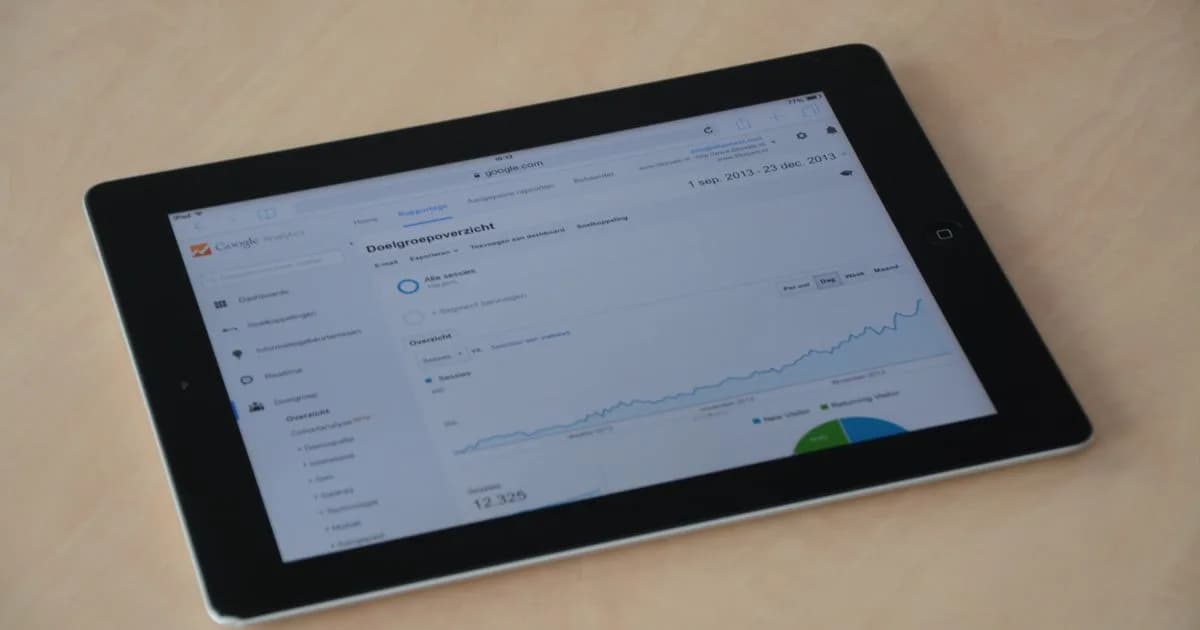
- Measurement. You can't grow what you don't measure. Google Analytics, conversion tracking on every form and call button, and a clear line of sight into which channel each lead came from. Without it you're guessing, and guessing usually means cutting the campaign that was actually working.
This is exactly the setup I built for Baltic Dockyard: a turnkey site with business mail, a lead-intake form wired straight to their inbox, and SEO from day one, so every visit is countable and every enquiry lands somewhere real. A tracked site turns "we think the ads help" into "each lead costs us X" - and once you can see the number, you can lower it.
Honest, realistic timelines
The biggest source of frustration online is a wrong expectation about time. Here's the honest version:
- Google Ads - days. Approve the account, load the keywords, and clicks start the same afternoon. First leads usually inside the first week. It's the fastest channel there is.
- Google Business Profile - weeks. Verification takes a few days to two weeks, then rankings and reviews build over the following month. Two to six weeks to real momentum.
- Social / Meta ads - days to weeks. Traffic is instant, but the algorithm needs a week or two of data and a round of creative testing before the cost per result settles down.
- SEO - months. Three to six months before meaningful organic traffic, longer in a crowded niche. It's the cheapest traffic you'll ever get, but it is never fast, and anyone promising page one in two weeks is selling something.
Ads buy you time while your profile and SEO grow underneath. That's the whole strategy in one sentence: pay for speed now, build for free traffic later.
Where people waste money
The same three leaks, over and over:
- No offer. "Contact us for details" converts far worse than "Free quote in 24 hours." The offer often does more work than the channel does.
- All channels at once. A 1,500 zł budget split five ways does nothing anywhere. One channel run properly beats five run badly.
- No tracking. Spending on ads with no conversion tracking is flying blind - you'll never learn which half of the budget worked, so you can't cut the dead half.
Where I fit in
I run the paid side and wire up the measurement behind it, so the traffic actually becomes leads you can count. Most clients start with a small Google Ads and advertising budget on their highest-intent keywords, sitting on top of a site that's built to convert, so the first leads land in days while the slower channels build. I keep the money on real buying keywords, not vanity clicks, and I show you cost per lead from week one - no vague "brand awareness" reporting to hide behind.
If you're not sure which channel fits your business and your budget, that's the conversation worth having before you spend anything at all.
FAQ
What's the fastest way to get clients from the internet? Google Ads. You can have clicks the same day and the first leads within a week, as long as they point at a page with a clear offer. It costs per click and stops the moment you stop paying, which is why you pair it with a Google Business Profile and SEO that build free traffic over time.
How much should I budget to start? For a local service, 1,000-2,000 zł (roughly €230-460) a month on Google Ads is enough to test whether the channel pays, on top of a free Google Business Profile. Put it all on one channel first; a small budget split across several does nothing measurable anywhere.
SEO or Google Ads - which first? Ads first when you need leads now, because SEO takes three to six months to produce meaningful traffic. Run ads for cash flow today and build SEO in parallel, so in a few months a chunk of your traffic is free. They aren't either/or; they're now versus later.
Do I need a website, or is a social media profile enough? You need a site you control. Social profiles are rented ground - the algorithm decides who sees you, and you can't track or convert properly. A simple, fast site with a clear offer and working tracking turns paid and social traffic into leads you actually measure.
Which channel is best for a local business? A fully completed Google Business Profile with real reviews, plus a small Google Ads budget on local money keywords. That pairing catches people at the exact moment they search "service near me," which is when a local buyer is ready to pick up the phone.
Why aren't my current channels bringing clients? Almost always one of three things: no clear offer on the page, no tracking so you can't see what's failing, or a budget spread too thin. Fix the offer and the measurement first, then concentrate the spend on the one channel that matches how your buyers search.
Want clients coming in this month instead of "someday"? See what's included in Google Ads and advertising, or tell me about your business - in a 30-minute call we'll pick the one channel worth your budget and set up the tracking to prove it works.