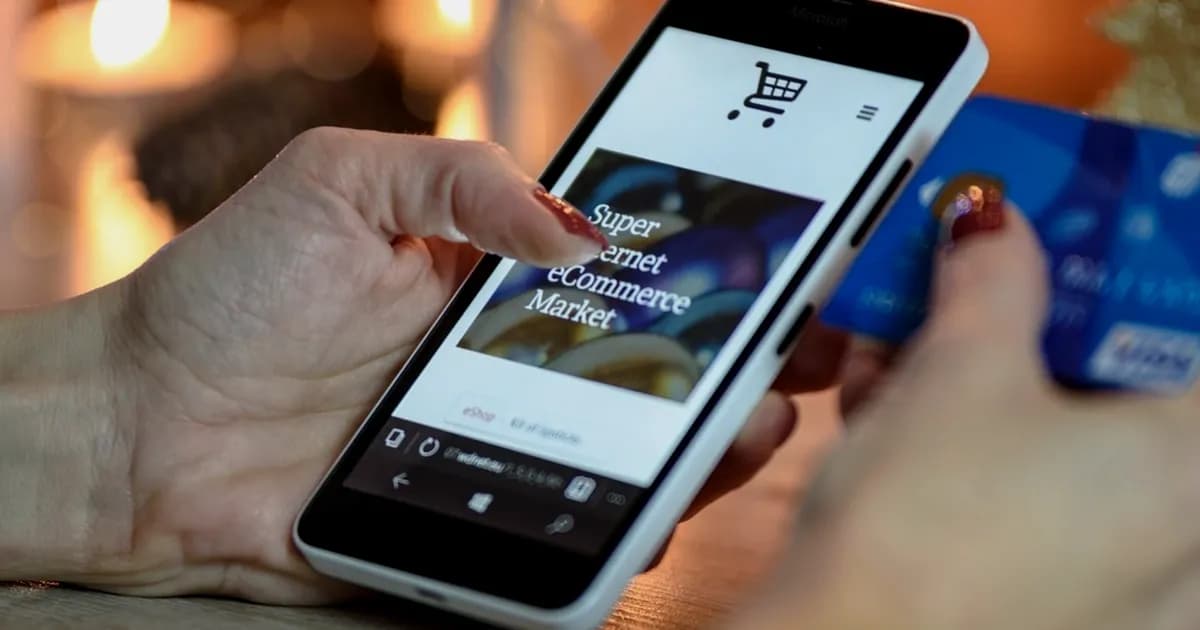
An online store in Krakow is rarely built for "all of Poland" from day one. More often it is a local business that already sells offline or through social media and wants a proper store: a confectionery, a local clothing brand, a coffee shop, home goods, products from local makers. A store like that has its own priorities - not a million items, but a convenient storefront, delivery across the city and the country, and proper Polish payment methods. I build online stores end to end and keep running them afterwards, so I will explain how much this costs in Krakow, what to build it on and what to plan for so the store actually sells rather than just exists.
What kind of store you might run in Krakow
Before working out a budget, it helps to understand the scale. Everything depends on it.
Most often in Krakow this is a small or medium store: tens or hundreds of products, a single warehouse, delivery across Poland and pickup in the city. Local brands, handmade goods, niches like specialty coffee, cosmetics, home goods. These need a fast, clear store with a decent mobile version and local payment and delivery options.
Less often it is a large store with thousands of items, stock accounting, ERP integration, wholesale pricing. That is a different budget and different timelines.
And separately there is the business that already sells on Instagram or a marketplace and wants its own store, so as not to depend on someone else's platform or pay it commission. This is a common and sensible request: your own store is an asset that belongs to you.
The first thing I do is figure out which type the project falls into, because each one calls for its own platform and its own estimate.
Real-world case: a Kraków craft brand
A small workshop from Kazimierz - handmade ceramics, magnets and postcards with Kraków motifs, all their own. They sold through Instagram and a stall at fairs; tourists snapped things up, but every sale abroad turned into a DM back-and-forth: "how much is shipping to Germany", "do you send to the US", "can I pay by card". Half the foreigners dropped off before they got an answer, and the owner spent her evenings working out parcel costs by hand.
What we did. We built the store on Shopify - for a couple hundred items it was the fastest path, no fuss with hosting. We set up three languages: Polish, English and German, because the DMs made it clear where people were writing from. We connected BLIK and Przelewy24 for locals and cards via Stripe for buyers abroad, and set international shipping to calculate right in the cart, so a person saw the total immediately instead of waiting for a reply. The stock was linked so the fragile-ceramics count wouldn't go negative - with handmade goods that hurts.
The result over the first three months: on-site conversion came out noticeably higher than through DMs, and, more to the point, around 40% of orders came from abroad, mostly Germany and the US, where before nobody had the time to work out shipping. Quarterly revenue rose about 2.3x against the previous season. The launch took four weeks, and the longest part wasn't building the store but getting proper product photos. The owner stopped living in her DMs and got back to what she does - making things.
How much an online store in Krakow costs
These prices are for turnkey work: storefront, catalog, cart, payment, delivery, basic SEO, launch.
- Small store - 2,500-5,000 €. Up to a few hundred products, Polish payments and delivery, responsive design, basic SEO. 3-5 weeks.
- Medium store - 5,000-12,000 €. A large catalog, filters, promotions, a customer account, integrations with delivery and warehouse. 5-9 weeks.
- Large or complex store - from 12,000 €. Thousands of items, ERP, wholesale, complex logic. From 9 weeks.
What pushes the price up is the number and complexity of integrations - warehouse, accounting, wholesale, non-standard logistics - and the size of the catalog, not the "good looks" of the storefront. What does not move the result: design flourishes a buyer on a phone will not notice anyway. More on the approach and platforms in the online store development service.
Which platform to build on
The choice of platform shapes both the price and how comfortable it will be for you to live with the store later on. A quick rundown of the main options.
- WooCommerce (on WordPress). Flexible, popular in Poland, with plenty of ready-made solutions for local payments and delivery. Good for a small or medium store, provided you have reliable hosting and someone keeping an eye on it. The downside - it needs updates and attention, otherwise it slows down and accumulates vulnerabilities.
- Shopify. Quick to start, reliable hosting out of the box, no need to think about the technical side. Handy when you want to sell rather than administer. The downside - a monthly fee and commissions, limited flexibility in complex scenarios.
- Headless or custom development. When you need maximum speed, non-standard logic and full control. More expensive, justified for growing and high-load stores.
I pick the platform to fit your scale and plans, not out of habit. For most small and medium Krakow stores WooCommerce or Shopify make sense, and the choice between them depends on whether flexibility and no subscription fee matter more to you, or simplicity and a fast start.
What to plan for the Krakow and Polish market
A few things without which a store in Poland sells worse than it could.
Local payments. In Poland people are used to paying via BLIK and instant bank transfers, not just by card. A store without BLIK loses a noticeable share of buyers at the payment stage. It is the first thing I set up.
Convenient delivery. Poles collect orders en masse at pickup points and parcel lockers. Integration with the logistics provider popular with you and picking a point right in the cart raise conversion considerably. Courier-to-the-door delivery only is an outdated scenario.
Speed and the mobile version. More than half of purchases come from a phone. A slow store loses buyers at every step, and speed also affects search rankings.
Languages. Krakow is international, and some buyers are not Poles. If your audience includes Ukrainians, expats or tourists, it is worth considering a second language for the store.
Product page SEO. For the store to bring in buyers from search for free, proper product descriptions, category structure and technical optimization matter, not just advertising.
A store is not just the launch
Here is a common mistake: people launch the store and think the job is done. In reality a store is a living system that needs more attention than an ordinary website.
Products and prices change, promotions appear, payment and delivery integrations break after updates, heavy product photos pile up and the store slows down. On top of that, sales depend on traffic: without work on SEO and advertising the store stands there as an empty storefront. That is why I plan for support from the start: I keep an eye on whether payment and delivery are working, on speed, I update content and help with bringing in buyers. A store without ongoing support loses sales quietly and unnoticed.
Timelines and how I work
A small store - 3-5 weeks, medium - 5-9 weeks, large - from 9. The main bottleneck is not the code but the content: product photos, descriptions, filling the catalog. If the products are ready to upload, the timelines hold.
We start with a brief: what you sell, how many products, how you take payment and deliver, whether you have a warehouse or accounting. Then comes platform choice, catalog structure, storefront design, development, payment and delivery integrations, filling in content, launch. After launch I set up analytics and basic SEO and keep running the store from there: without support it quickly falls behind competitors.
FAQ
How much does it cost to build an online store in Krakow? A small turnkey store - 2,500-5,000 €, a medium one with a large catalog and integrations - 5,000-12,000 €, a large one with ERP and wholesale - from 12,000 €. The price is driven by integrations with warehouse, accounting and logistics and by the size of the catalog, not by the storefront design. I lock in the exact estimate after a brief on your product range and processes.
Which platform is best to build a store on? For a small or medium store in Krakow WooCommerce or Shopify make sense. WooCommerce is more flexible and has no subscription fee, but it needs attention and updates. Shopify is simpler and more reliable out of the box, but with a monthly fee and commissions. For large and high-load stores headless or custom development is justified. I pick the platform to fit your scale and plans.
Which payments and delivery do you need to set up in Poland? BLIK and instant bank transfers are a must - in Poland people pay this way more often than by card, and a store without BLIK loses buyers at checkout. For delivery, pickup points and parcel lockers with point selection right in the cart matter: Poles collect orders this way en masse, not just by courier to the door. This has a strong effect on conversion.
How long does it take to launch a store? A small store - 3-5 weeks, medium - 5-9 weeks, large - from 9 weeks. The main bottleneck is not the code but the content: product photos, descriptions, filling the catalog. If the products are ready to upload, the timelines hold. That is why preparing the catalog should start in parallel with development.
Can you move a store from Instagram or a marketplace? Yes, and it is a common sensible request. Your own store is an asset that belongs to you, does not depend on someone else's platform and pays it no commission. I move the product range over, set up payment and delivery and connect the store to your sales channels. From there the store can be promoted in search and advertising as a channel of its own.